


 Prev
Prev
New York Times, By EDWARD WYATT and TANZINA VEGA, December 1, 2010
 WASHINGTON - The Federal Trade Commission advocated a plan on Wednesday that lets consumers on the Internet choose whether they want information about their browsing habits to be collected, an option known as "do not track."
The F.T.C.'s proposal, a framework for commercial use of consumer data, would make consumer privacy the default position and would let Web users decide whether Internet sites and advertisers can build profiles of their browsing and buying habits as well as collect other personal information.
The recommendations, in a report released by the commission that solicits public comment over the next two months, are based on the commission's belief that current practices regarding privacy protection have not kept pace with the rapid growth of technology and new business models.
Industry self-regulation, the preferred model among advertising companies and many online retailers, has "failed to provide adequate and meaningful protection" for consumers, the report said.
Now, the trade commission hopes to adopt an approach that it calls "privacy by design," where companies are required to build privacy protections into their everyday business practices. That approach would include retaining data on consumer preferences and online browsing activity only as long as needed and deleting data on a regular basis.
The report also recommends that companies adopt simpler, more transparent and streamlined ways of presenting consumers with their options rather than the "long, incomprehensible privacy policies that consumer typically do not read, let alone understand." And the report recommends that data brokers give consumers "reasonable access" to whatever data they have collected.
Read more from NY Times.
From FTC Report: DATA Uses Graph
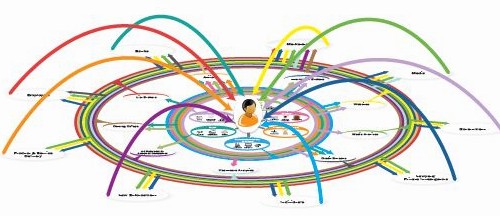
Examples of uses of consumer information in personally identifiable or aggregated form:
|
|
|